4 Ways Medications Impact Swallowing
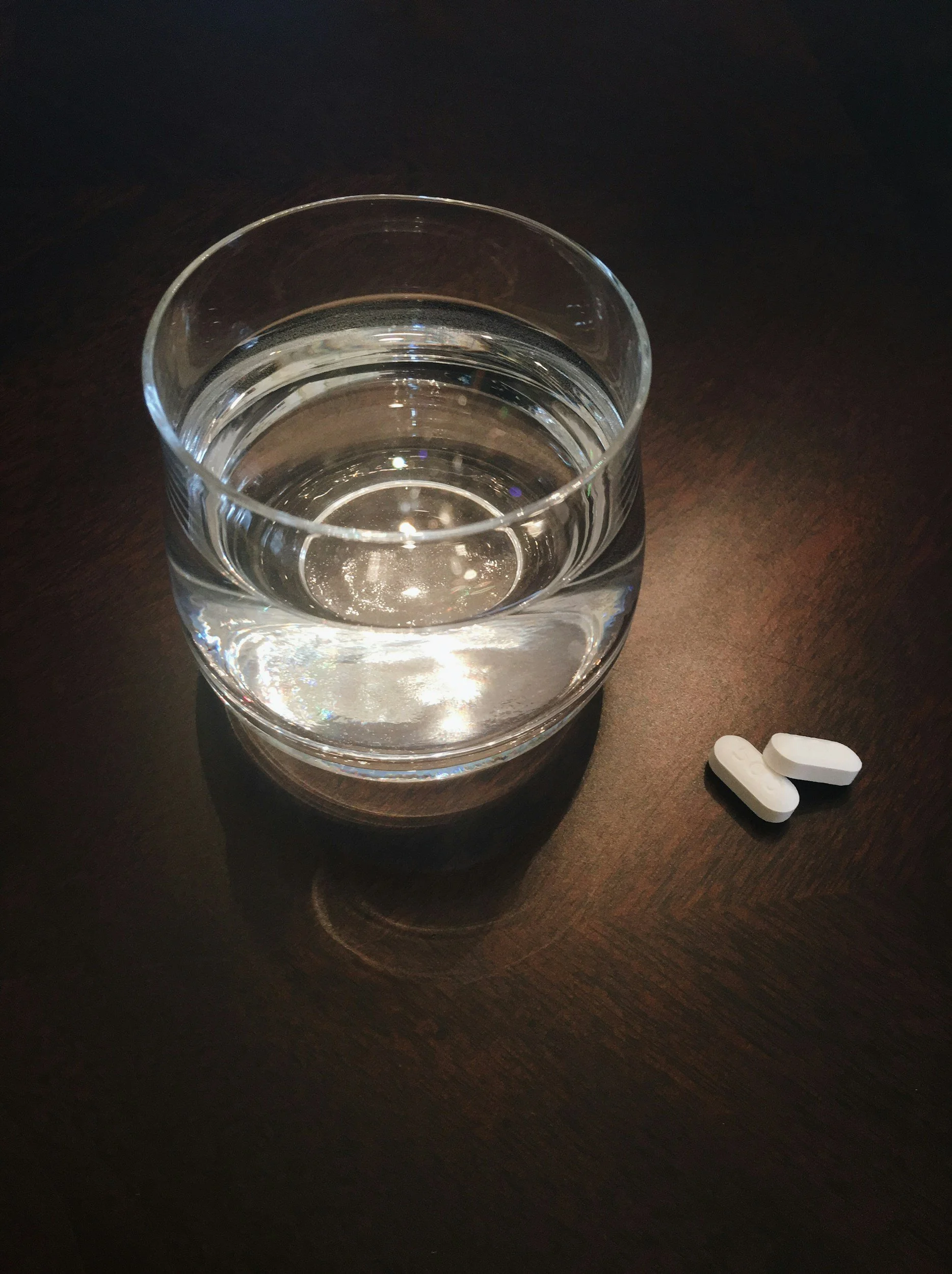
If medications are strong enough to help, they might be strong enough to hurt…
Can prescription drugs really impact dysphagia? While we often think of dysphagia as something caused by a neurological disease or a traumatic injury, there’s a lot that those seemingly harmless little pills can do, too. Medications—or the wrong combination of them—can actually worsen dysphagia or even jumpstart swallowing issues where they never existed before. Here are 4 ways meds can change the lives of the patients we serve…
1. Xerostomia (Dry mouth)
We need saliva to swallow, right? Ever go down a water slide without the water? Yeah, not so much fun. For a smooth ride, we need a constant flow of lubrication so food, liquid, and medications can slide right down. If the water shuts off without warning, we’re going to get stuck halfway down the slide, if we get that far at all.
Anticholinergics, like certain antihistamines, antidepressants, and antipsychotics, can easily and quickly turn the off switch on your salivary glands. This can lead to dry mouth and throat, making swallowing feel like a tumbleweed floating over a dry desert landscape.
And anticholinergics don’t stop at oral saliva. The dryness extends to your throat and even your nose, which can dim the sense of taste and smell, making a delicious dinner taste like a thick slab of cardboard.
2. Motor function
Swallowing is a complex performance in which 26 pairs of muscles and five cranial nerves orchestrate the seemingly impossible feat of sending food over the most sensitive area of your body… Your airway. If we didn’t do it 600 times a day, we’d be more amazed by this otherwise, seemingly banal function. That is, as long as it’s functioning as it should.
What are central nervous system (CNS) depressants? Anti-anxiety agents, anticonvulsants, and sedatives can slow down your brain's ability to coordinate those 26 pairs of muscles. This may decrease the arousal needed to respond appropriately to a bolus. Some antipsychotics can even induce movement disorders like "tardive dyskinesia.” These are involuntary movements that make your tongue act like a possessed dancer, jumping and moving around with a completely separate set of instructions then the ones you’re giving it. You can imagine how this might interfere with bolus control and safe swallowing.
3. GI Motility
Your Lower Esophageal Sphincter (LES) is like a security bouncer at the entrance to your stomach. His only job is to let food in and keep stomach acid out. Certain meds, including muscle relaxants like baclofen and even some cardiac water pills, can accidentally "bribe" the bouncer to leave the door propped open.
This leads to reflux, in which stomach contents flow back into the esophagus. It’s not just pills either. Did you know that some of the most delicious ingredients that make our meals worth eating can also affect the LES? Things like onions and garlic, as well as sweet treats like peppermint and chocolate, can also distract that bouncer. I’m Italian-American, so onion and garlic are my two main food groups. You may not think a little bit of reflux is such a bad thing until you remember that stomach acid is so strong it can dissolve a razor blade!
4. Mucosal Damage
If your esophagus is a smooth highway, certain pills are like caustic chemicals that can create "potholes" (ulcers) in the road. Drugs used for osteoporosis (like Fosamax) or even common antibiotics or aspirin can get physically lodged in the esophagus, causing focal damage to the lining. This causes mucositis, which makes everything you swallow feel like shards of glass. Depending on how often this occurs and how severe the damage is, the symptoms can last long enough to cause decreased appetite, reduced caloric intake, and malnutrition.
Now that you know…
We often have tunnel vision and automatically think of neurological causes of dysphagia, neglecting the fact that meds can have an impact, too. And ALL of our patients are on many medications. This means we have to stop looking at the swallow in a vacuum and start looking at the WHOLE patient. I’ve discussed the basics, but if you work in a medical facility, take advantage of the pharmaceutical experts, such as the attending physician and the pharmacist.
Tell me about a time YOU had to help manage a patient’s medication-induced dysphagia. What did you do, and what happened to the patient?
This blog post was inspired after reading the following article: Carl, L., & Johnson, P. (2008). Drugs and dysphagia. Perspectives on Swallowing and Swallowing Disorders (Dysphagia), 17(4), 143–148. https://doi.org/10.1044/sasd17.4.143