Xerostomia: A Guide to Dry Mouth Treatments
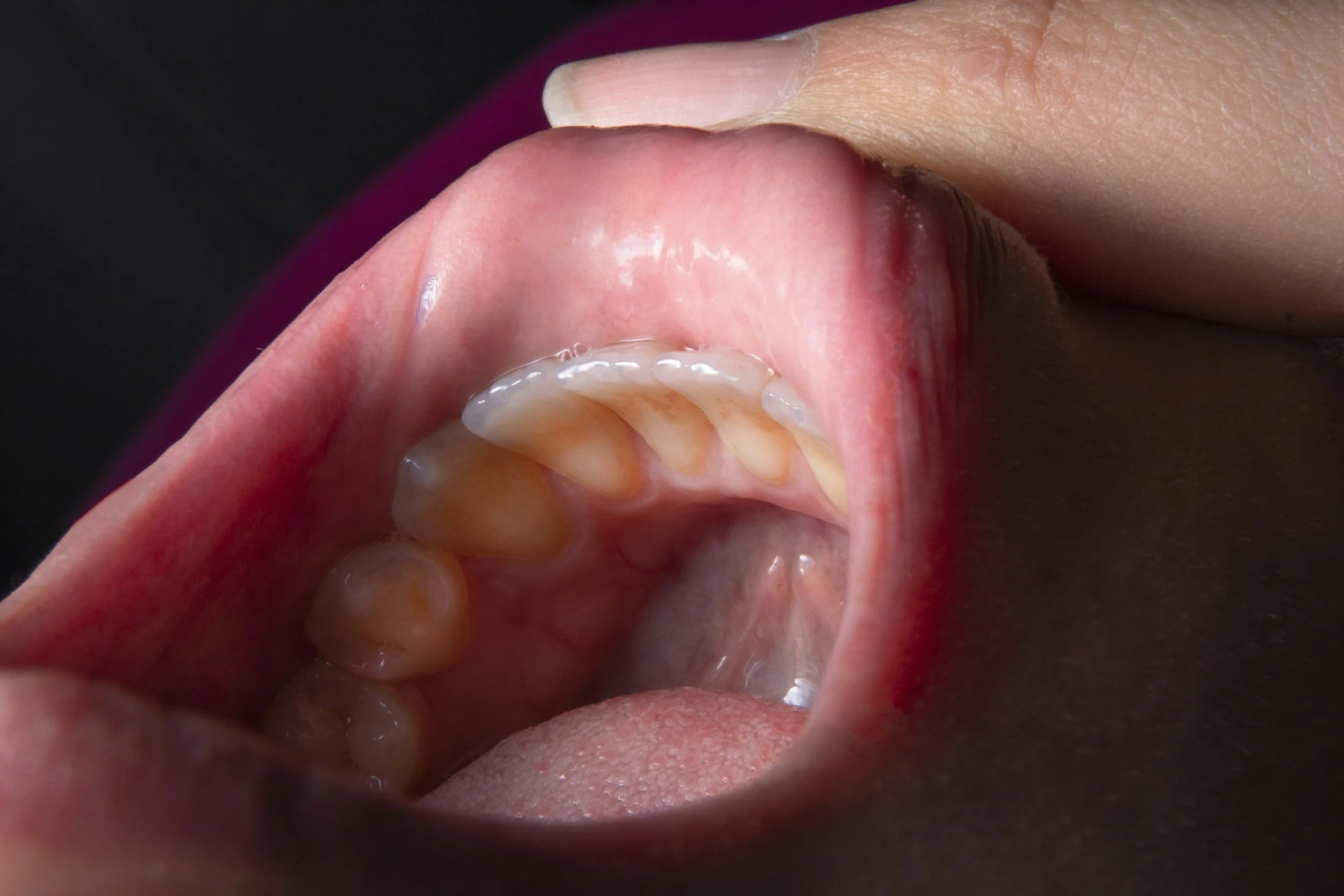
As a medical SLP, chances are you’ve run into the frustrating, sticky, and uncomfortable reality of dry mouth, or xerostomia.
While it might sound like a minor annoyance to anyone who hasn’t experienced it themselves, a lack of saliva can severely impact daily activities. What kind? Some of the best ones: Speaking, swallowing, and sleeping.
Xerostomia sounds very medical and technical, right? But the reality of living with it can be brutal. It’s easy to think of this as feeling thirsty or a little parched, but it actually goes way further than that. Let’s put ourselves in our patients' shoes for a second to see what this feels like…
Imagine waking up in the middle of the night with your tongue literally glued to the roof of your mouth, leaving your throat feeling raw and burning. When you sit down to a meal, ordinary foods like bread or crackers turn into thick, dust-like plugs that put you at risk of choking, forcing you to drown everything in sauces, gravy, or water just to swallow a single bite. Because you lack the saliva needed for your lips and tongue to move smoothly, the words literally stick in your mouth before coming out. You’re tired and stressed because xerostomia has been disrupting your sleep, scaring you during meals, and chipping away at your confidence while you’re trying to communicate with the people you love.
How big is this problem?
If you feel like you are seeing dry mouth everywhere these days, you aren't imagining things. Here are a few stats that will help you make sense of the scope of this problem.
Look at the person to your left. Now look at the person to your right. One of you has hyposalivation, statistically speaking. That’s right, one in three older adults experiences xerostomia.
We often look to medications to help with these types of life-altering medical conditions that seem to be impacting so many of us. But the truth is, it’s actually the meds themselves that may be causing a huge chunk of the problem. When an older adult takes their daily prescribed medications—like blood pressure pills or antidepressants—you naturally expect those drugs to improve their quality of life. However, it's these exact types of medications that may be causing xerostomia.
Over 500 commonly used medications can trigger severe dry mouth. 500. Let that sit for a second. If medications are strong enough to heal, they are often strong enough to harm. Because older adults often take a combination of these drugs, the negative impacts may compound over time, causing unknown side effects that haven’t been well-researched.
What’s normal?
A normal salivary flow ranges from 0.25 to 0.35 mL per minute. Think about it this way: A healthy body naturally produces about a full water bottle's worth of saliva every single day. But if a patient's flow drops too low, they officially suffer from hyposalivation. That means they are forced to get through an entire 24-hour day of talking, chewing, and swallowing with barely half a cup of moisture in their mouth.
What can we do for these patients?
There are three main approaches used to combat xerostomia…
Option 1: Artificial Saliva and Lubricants
When the body isn't producing enough saliva, replacement is often the next step. Artificial saliva aims to mimic the physical characteristics of human saliva and comes in many forms, including sprays, gels, mouthwashes, and oils.
How effective are they? In one study, 2 out of 3 patients reported significant symptom improvement just 15 minutes after using an artificial saliva substitute.
Formulations vary widely, and texture seems to matter regarding which ones patients find more helpful…
OMG, introducing OMJ: One clinical trial showed that 65% of patients preferred a novel "oral moisturizing jelly" (OMJ) over a standard commercial artificial saliva gel. Why? After just two weeks of using this jelly, patients reported that nearly three-quarters of their dry mouth symptoms were gone. Give it a full month, and almost 9 out of 10 of those daily struggles we talked about simply disappeared. OMJ!
Option 2: Saliva Stimulants
If the salivary glands are still partially functioning, stimulating them can be a great option as well. Natural stimulants may be especially attractive, say, if your patient is tired of keeping track of an endless laundry list of medicines they need to take (Not to mention that medicine may be a likely cause of their xerostomia to begin with). The best part? They’re simple, easy to get, and cheap… And they come with zero side effects.
These include sugar-free lemon-lime sorbet and oral rinses, both of which have been shown to significantly increase salivary flow and reduce symptoms. Likewise, a 1% malic acid spray or a 3% citric acid solution can provide immediate relief, like an extinguisher to the fire.
Looking for something even cheaper and easier? Try chewing gum. This systematic review showed it can “increase unstimulated salivary flow rate in elderly and medically compromised people with xerostomia.” Not bad for one of the few things you can still buy for less than a buck.
Pilocarpine is a well-known systemic medication used to stimulate saliva, but taking it in pill form can cause side effects like sweating and dizziness. Fortunately, studies show that topical pilocarpine (administered via mouthwash or dissolving tablets) can significantly improve the subjective sensation of dry mouth while minimizing those systemic side effects.
Option 3: Innovative Tools and Techniques
For SLPs who love a good tool, several innovative techniques show real promise for patients with xerostomia. Here are four of them:
Electric Toothbrushes: Believe it or not, utilizing something as simple as an electric toothbrush has been found to significantly increase unstimulated salivary flow and improve dry mouth symptoms.
Salivary Gland Massage: Research shows that implementing a salivary gland massage can increase salivary flow, reduce dry mouth symptoms, and directly improve a patient's swallowing ability.
Electrostimulation: For severe cases, intraoral electrostimulators can be utilized. By delivering low levels of electrical stimulation to the oral mucosa, these devices can increase salivary flow by 3 to 4-fold. There are even "salivary pacemakers" (such as implant-supported devices or removable mouthguards) designed to continuously deliver an electrical current into the salivary glands.
Night Guards: If a patient is waking up with a severely dry mouth, simply wearing a standard night guard has been shown to significantly reduce nocturnal oral dryness.
We have lots of options, but unfortunately, no single cure for xerostomia. This means treatment must be highly individualized. As an SLP, it is important to help patients navigate these options. We should also educate them about maintaining proper oral hygiene and avoiding refined carbohydrates, as xerostomia significantly increases the risk of dental cavities and opportunistic infections such as oral thrush (Candida).
Encourage your patients to try a few different treatments—whether that means sipping a thyme-honey rinse, requesting a specialized oral jelly, or learning to properly massage their salivary glands. A combination of therapies is often the key to keeping the mouth lubricated, protecting the teeth, and getting speech and swallowing back on track.